Women In Hydropower - Aida António Mabjaia
Aida Mabjaia is a leading Mozambican energy executive with over 20 years in the hydropower sector. She serves as Executive Director at Hidroeléctrica de Cahora Bassa (HCB), one of Southern Africa’s largest power producers, where she drives strategic projects to modernise and expand the company, areas such as human resources, and infrastructure, with a strong focus on sustainability, governance, and institutional transformation. Aida also sits on the Board of the International Hydropower Association, advancing sustainable hydropower development worldwide.
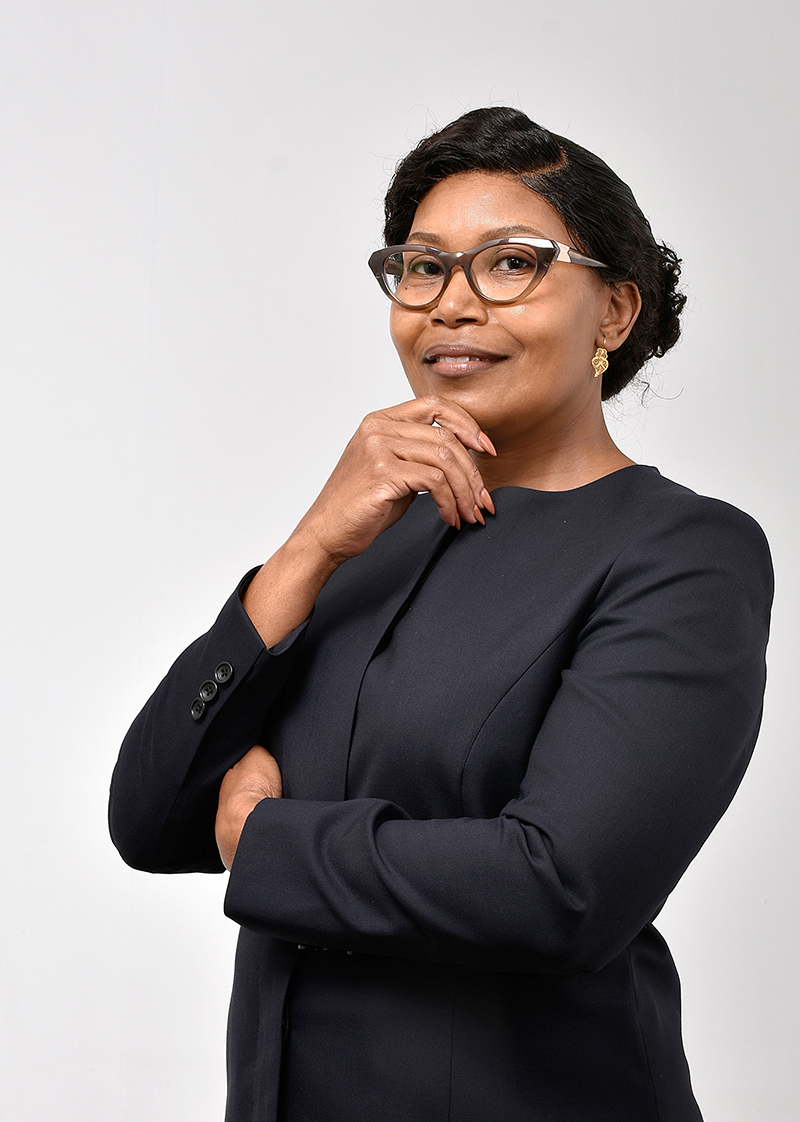
As part of International Women's Day hear directly from Aida on her experiences working in the hydropower sector:
My perspective on the opportunities and challenges of my career special working in a hydropower energy sector, particularly as a woman in what has traditionally been a male dominated industry. Hydropower is one of world most important renewable energy sources, and plays a critical role in global sustainable development. Being part of such sector is both meaningful and inspiring. We are not just generation electricity, we are powering communities, industries and futures.
Working in hydropower as woman in a male dominated sector is both challenging and rewarding. Many were structural and cultural, requiring resilience, confidence, consistent excellence, continuous learning and also a strong sense of purpose. In the early stages of my career, female representation in technical and leadership roles was extremely limited. I was often the only woman in the room, which demanded additional effort to ensure that my voice was heard and that my contributions were recognized on merit. At times, doubts arose not from lack of competence, but from persistent gender stereotypes that still associate engineering and technical leadership predominantly with men.
Gender equality in the energy sector begins with a simple but powerful conviction: talent and potential are not defined by gender. When more women are included across the entire energy value chain, from technical operations to executive leadership, projects become stronger, companies become more innovative and societies benefit from more balanced and sustainable development.
Throughout my career, I have never felt any discrimination; for me, this situation has always been natural.
I have sought to contribute to the sector by strengthening environmental sustainability through the implementation of environmental management systems, ensuring compliance with national legislation and international good practice, and promoting responsible resource management. Leading strategic human resource management in a company that plays a critical role in the national energy system has also been central to my work. Ultimately, my greatest contribution has been the integration of environmental sustainability, engineering expertise and leadership, promoting a long-term vision for safe, inclusive and sustainable hydropower.
One of the greatest opportunities in this field is professional growth. Hydropower projects require technical excellence, strategic planning, environmental responsibility, and teamwork. Working in this environment builds strong engineering expertise and also exposure to large scale infrastructure projects that shape national development. At same time, being a woman in this industry comes with unique challenges. There are still moments when technical competence is questioned, when voices are interrupted in meetings and leadership roles are less accessible. Sometimes the challenge is not obvious discrimination, but subtle bias such as assumptions about physical capability, leadership style, or commitment. Field work can be demanding, Historically, workplace systems and facilities were designed primarily with men in mind, which can create additional barriers.
.jpg)
Looking ahead, I believe the hydropower sector’s greatest challenge over the next decade will be to maintain its relevance and sustainability within an accelerated energy transition and under increasing climate variability. Hydropower must remain competitive and resilient while continuing to deliver renewable, reliable energy with lasting local benefits. This challenge encompasses four critical dimensions: i) strengthening climate resilience and adaptive water management; ii) ensuring transparency, robust environmental and social performance and meaningful community engagement; iii) positioning hydropower as a complementary and stabilizing force in systems increasingly dominated by solar and wind and iv) mobilizing sustainable and affordable financing for the maintenance, modernization and expansion of infrastructure, particularly in developing countries. Regional and international cooperation will be fundamental in this context. Hydropower is intrinsically linked to transboundary water resources and regional energy interdependencies. Effective collaboration across borders can enhance energy security, optimize resource management and foster shared prosperity. To overcome these challenges we need more women engineers, project developers, and energy economist, to influence adoption of clean energy and technologies, as well as women in decision making roles and policy influence to ensures energy planning is inclusive.
Woman are increasingly playing a critical role in innovation and their technical contribution have driven the development of innovative technologies in energy sector. Despite the progress made, women still face challenges in energy sector, gender imbalance persists, with few women, especially in leadership positions. Cultural barriers and obstacles, such as gender stereotypes, unconscious bias, and lack of support in predominantly man workplaces, hinder women´s full participation. However, today we are witnessing a movement toward inclusion and equal opportunities. Important and targeted empowering initiatives have emerged to encourage and support women´s participation in Engineering. Scholarships programs and organizations focused on skills development have played a key role in promoting diversity in this sector.
As we mark International Women’s Day, I reaffirm my belief that the future of hydropower and of the broader energy transition depends on inclusive leadership, technical excellence, steadfast commitment to sustainability, and ensuring that all voices are heard and that woman have equal opportunities in the energy sector. Being an African woman in engineering has given me a distinct perspective — one grounded in social awareness, transformative leadership and a commitment to equity. Today, I strive to use my experience to open doors for others, mentor young talent and contribute to a more inclusive and diverse energy sector. When a young talented woman sees someone who looks like her leading a hydropower plant, negotiating an energy policy, or managing major infrastructure project, something shifts, possibility become tangible.