Women In Hydropower - Annevella Anak Mathew
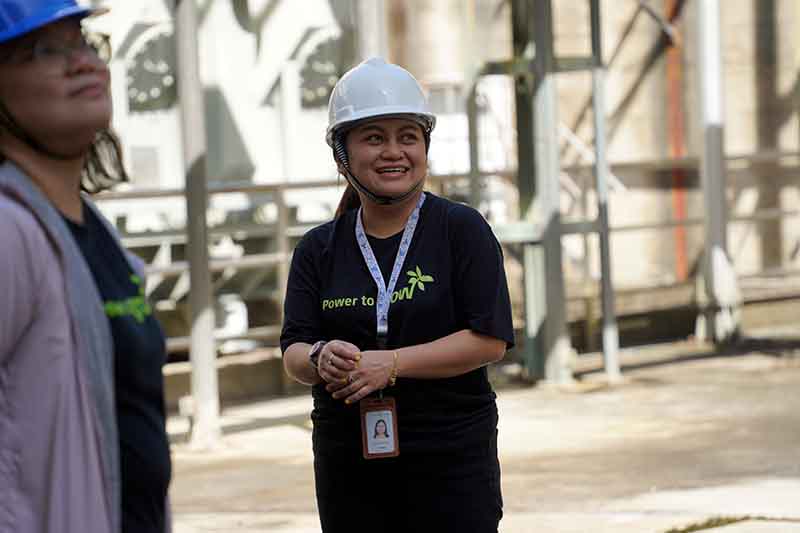
Annevella Anak Mathew, Station Manager, Murum Hydroelectric Plant
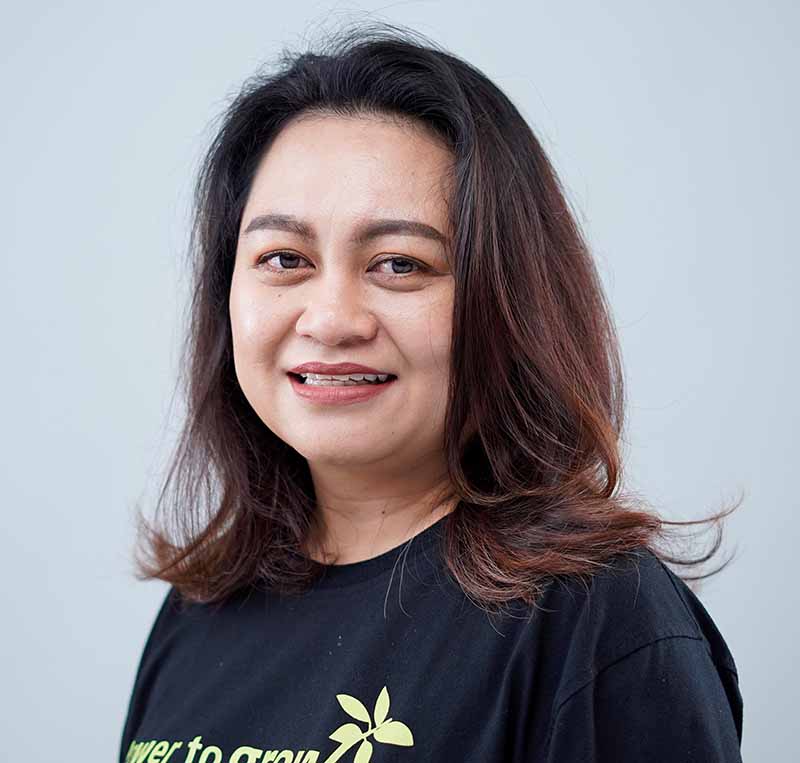
As part of International Women's Day hear directly from Annevella on her experiences working in the hydropower sector:
Hydropower, in many ways, is the quiet enabler of progress. Industries grow, communities thrive, and opportunities expand because this reliable, renewable and sustainable energy exists in the background – powering growth. Being involved in the hydropower development in Sarawak is not only a professional responsibility but a deeply personal calling. Looking back, what makes this journey truly meaningful is the knowledge that our collective effort contributes towards improving lives and uplifting communities across Sarawak and beyond. In essence, we bring light to communities and help power their future.
With 16 years of experience in the power utility sector, I have built a career specialising in hydropower plant operations, high-voltage switching, and power system protection – in alignment with Sarawak’s vision for renewable energy development. My journey began in 2010 as a Mechanical Engineer when I was involved in the construction of the 944MW Murum Hydroelectric Plant (HEP) in Sarawak, Malaysia. Being part of the team that brought the facility to life instilled in me a lasting sense of ownership and purpose.
In 2015, I transitioned into plant operations, gaining invaluable hands-on experience in real-time decision-making and operational accountability. Those formative years taught me that operating a hydropower plant extends beyond systems and equipment, but more importantly, it is about the people, communication, coordination and the team’s preparedness and readiness always.
By then, I recognised the importance of having a broader set of competencies. Not wanting to limit myself, I expanded my expertise into electrical operations, particularly in switching operations and power system protection, despite having a mechanical discipline background. Hydropower operation demands an integrated understanding of both mechanical and electrical disciplines; gaining these technical competencies is a driver for me to manage the station well.
Today, as the Station Manager of Murum Hydroelectric Plant, my responsibilities are not limited to overseeing critical operations to sustain Sarawak’s energy demand; it is about ensuring continuity – delivering power in a safe, reliable and sustainable manner to the people of Sarawak and support the region industries every day.

Catalyst for Sarawak’s Hydro-Industrialisation
The Murum Hydroelectric Plant (HEP) is Sarawak’s second-largest hydroelectric facility, after the 2,520MW Bakun HEP. It stands as a key component of the Sarawak Corridor of Renewable Energy (SCORE) initiative and has subsequently contributed to the Post-COVID-19 Development Strategy 2030 (PCDS2030). Both strategies are designed to elevate Sarawak to high-income status by harnessing its abundant renewable energy resources. For Sarawak, renewable and sustainable hydropower remains the most viable option to power its economic growth, and it is central to Sarawak Energy’s aspirations of becoming a regional renewable energy powerhouse.
To me, Murum HEP represents far more than an infrastructure project. It is a testament that symbolises a true mark of perseverance and foresight of Sarawak’s visionary leaders. The trust placed in Sarawak Energy to deliver this critical facility reflects Sarawak’s effort and commitment to utilise renewable and green energy for long term economic resilience. Each time I step into the plant or review operational data, I am reminded that this facility does not merely power the grid – it sustains livelihoods and secures Sarawak’s future.
Collaboration at the Heart of Leadership
Overseeing Murum HEP as a critical state asset requires discipline, strong governance, and constant vigilance. My leadership approach emphasises preventive maintenance, a strong safety culture, data-driven decisions, and risk-based planning. What truly keeps me grounded are the people – the engineers, technicians, and support teams who work tirelessly behind the scenes. Engaging with them, listening to their insights, and recognising their contributions reinforce myself that leadership is not about control, but about stewardship and collective accountability.
There have been moments during critical shutdowns, emergency planning exercises, or operational reviews when the weight of responsibility becomes clear. In those moments, I rely on preparation and teamwork, viewing pressure not as a burden but as an opportunity to demonstrate that leadership is measured by competence and commitment, not by gender. Representation matters, and I hope that more women will see the energy sector as a place where they can thrive and excel.
Collaboration remains central to ensuring reliability and operational excellence at Murum HEP. Reliable power is never the work of one individual, but the result of structured teamwork. Through open communication, regular technical reviews, safety dialogues, and knowledge-sharing, we foster shared ownership of our mission – safe, reliable, and sustainable energy generation. When people feel empowered and respected, excellence becomes embedded in the culture – rather than simply a target.
Building Skills for Hydropower in the Region
As Sarawak’s hydropower sector continues to grow, I see encouraging development of local expertise, alongside the opportunities for improvement. Increasingly data-driven operations demand stronger capabilities in digital systems, automation, and predictive maintenance, complemented by leadership development and broader industry exposure. Today’s engineers must combine technical proficiency with strategic awareness, communication skills, and adaptability – advancing technical and leadership capabilities in tandem.
Collaboration with the International Hydropower Association supports this progress through knowledge exchange, certification programmes, and the sharing of global best practices, in areas such as sustainability standards and digital asset management. Exposure to international benchmarking and mentorship opportunities can also broaden perspectives and build confidence among local professionals.
I often look to hydropower operators in countries such as Norway and Canada, who are recognised for integrating digital monitoring systems, strong safety culture, and environmental stewardship into their operations. The lesson Sarawak can learn from these leaders is the importance of continuous learning and adaptability – embracing new technologies while maintaining strong governance and sustainability principles.
Inspiring the Next Generation
When I think about the next generation of professionals entering the energy sector, I hope they inherit a leadership culture grounded in integrity, empathy, and collaboration. The industry is evolving from rigid hierarchies toward more inclusive and adaptive leadership, where technical expertise is complemented by emotional intelligence, ethical awareness, and cross-disciplinary collaboration. Leadership today is less about authority and more about influence, mentorship, and accountability.
Diverse leadership strengthens decision-making by broadening perspectives and enhancing stakeholder engagement, leading to more balanced and innovative outcomes.
To young professionals — especially young women — I hope my journey conveys a simple but important message: there is space for you in this industry. Leadership is shaped by perseverance, continuous learning, and authenticity. It is possible to lead with confidence while remaining grounded and to build a career that contributes meaningfully to society. If my journey encourages even one person to pursue a future in energy, then the responsibility I carry becomes all the more meaningful.