Get used to discussing Energy Security, because it’s here to stay
The following article is authored by IHA Deputy CEO Pablo Valverde
For all the talk of targets, megawatts and mitigation pathways, the real question shaping decisions in boardrooms and ministries is simpler: how do we keep the lights on affordably, reliably and independently?
Over the past two weeks, I’ve seen this question surface in different contexts - in the release of the COP30 outcomes, in technical industry discussions in Oslo, and in our own forward planning at IHA. What is striking is not the diversity of settings, but the consistency of the concern.
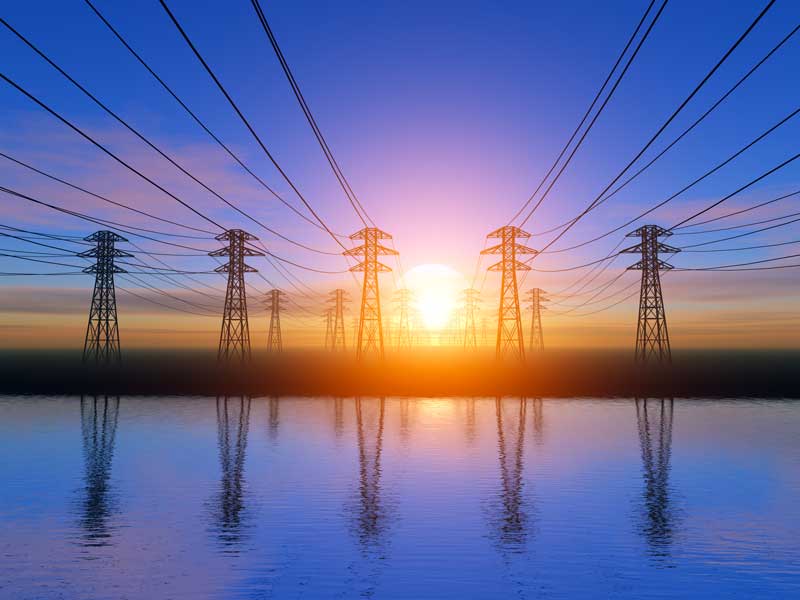
Energy security is now the organising principle.
Geopolitics, economics and the search for stability
The COP30 outcome makes clear that countries remain pulled in several directions. Many still rely on hydrocarbons for reasons of stability, affordability or industrial policy. At the same time, the rapid growth of electrification continues because the economics of renewables are so strong.
But geopolitics is shaping this landscape in new ways.
Cheap solar equipment has entered global markets at unprecedented scale, with almost all coming from one country. Batteries are following the same trajectory. None of this is inherently problematic - in many ways it reflects efficiency, innovation and investment. But it does create structural dependencies that governments must factor into long term planning.
The result is a very specific challenge: how to increase clean electricity supply while avoiding new single points of vulnerability.
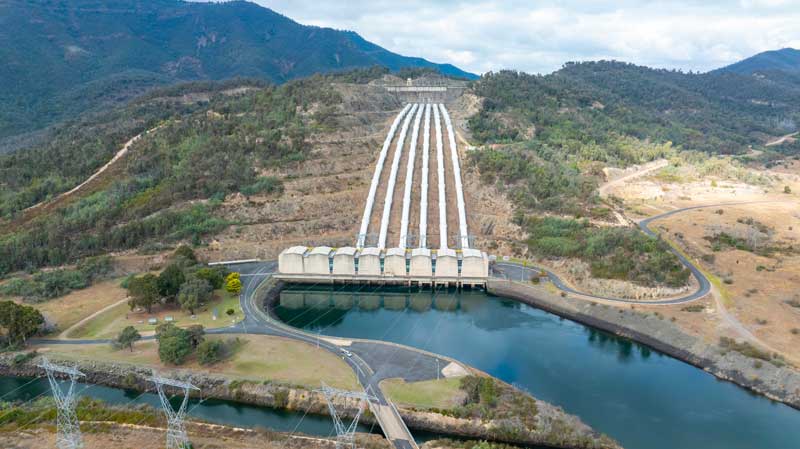
Diversification is essential.
But diversification only works if storage, flexibility and firm capacity come from a variety of places and technologies, not just from one dominant global supply chain.
Industry is reacting to these pressures
This same dynamic is visible not just in policy, but in markets.
Even in a technical and relatively niche forum like the International Energy Forum in Oslo last week, the dominant theme was security - not as a slogan, but as a commercial reality.
Several developers described the constraints they now face. One solar company put it plainly: we no longer look at pure solar projects because they simply aren’t profitable. From now on, we only consider solar when combined with water, wind, batteries or something else.
Another noted that the strength of solar is also its market challenge: when something is that cheap and widely available, competition becomes intense and margins disappear.
Behind these comments lies a simple point: market conditions are being reshaped by the same forces that shape geopolitics - concentrated supply chains, price volatility, and the need for stable system operation.
To remain investable, systems need flexibility, predictable revenues and the ability to absorb low-cost, variable generation without becoming unstable. These pressures are driving demand for a broader mix of technologies and capabilities.
Reflecting this in our own work
Our internal discussions at IHA this week echoed these external signals. Bringing together colleagues from eighteen nationalities to refine next year’s workplan, the same theme kept reappearing: energy security is not a separate consideration - it is the frame within which all other objectives sit.
This is why our work next year will centre on pumped storage, modernisation and sustainability. These are practical levers that reinforce resilience and support a balanced mix of technologies.
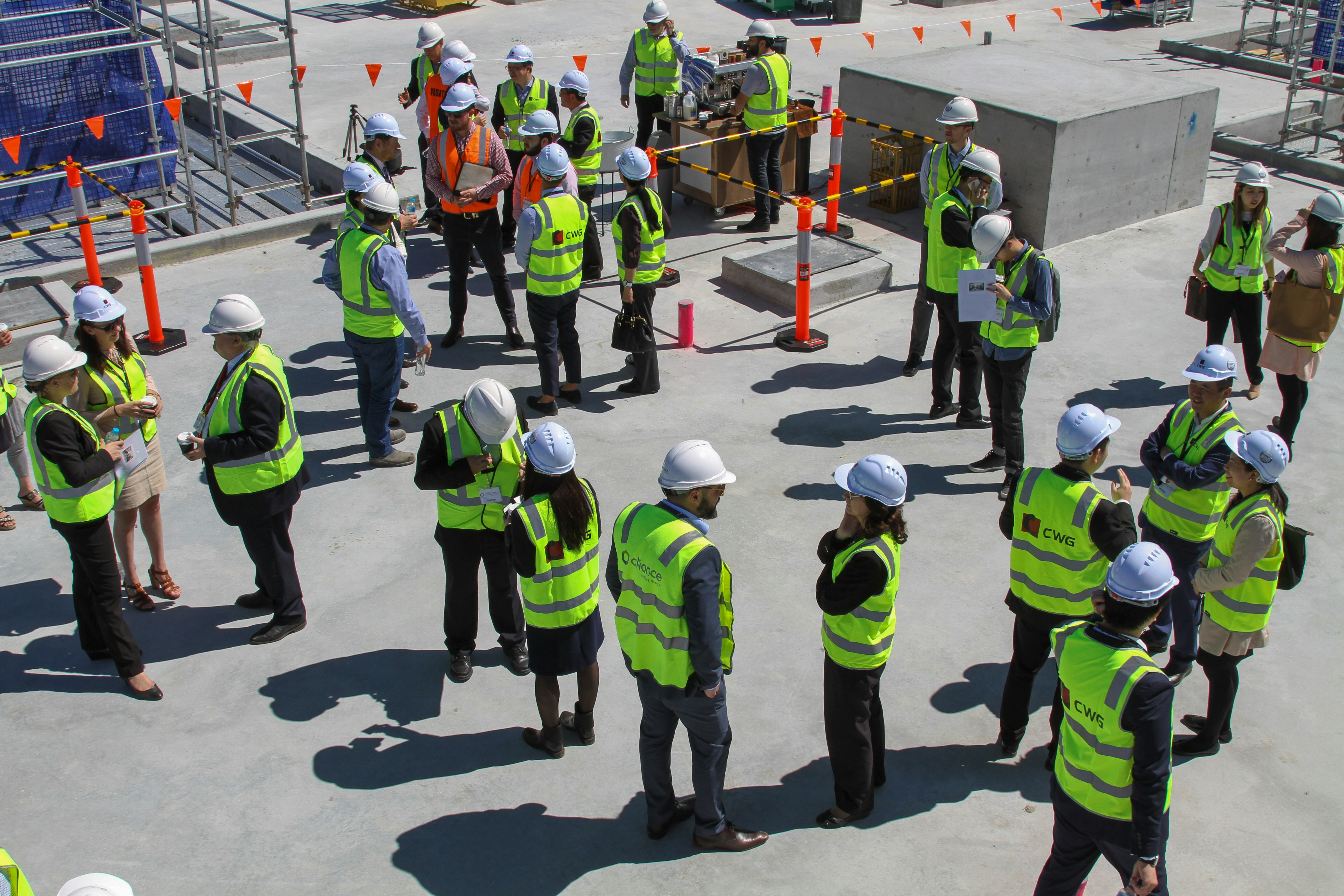
A visit to our member Preformed Windings during the retreat was a useful reminder of what this looks like on the ground. The capability to deliver reliable, efficient hydropower units - quite literally one winding at a time - is part of the wider ecosystem of skills and manufacturing that underpins secure energy systems.
A more grounded approach to the years ahead
In the end, the question is not which technology prevails, but whether the whole system can remain steady under pressure. That is the benchmark governments, regulators and investors should increasingly be applying.
The coming years should demand choices that favour robustness over novelty and systems thinking over single-solution optimism. If we approach our work through that lens, we will be better placed to support countries in building energy systems that are stable, diverse and resilient enough to endure.
Energy security is no longer a backdrop. It is the test every decision must pass.