Global Renewables Alliance response to COP30 final deal
The following story was written and shared by the Global Renewables Alliance.
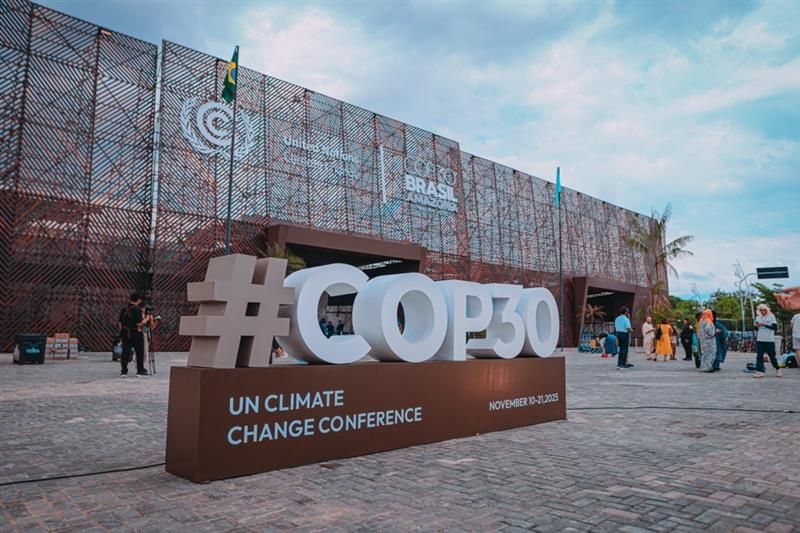
Despite firm demands from over 85 countries and over 100 private sector organisations, including the Global Renewables Alliance (GRA), COP30 disappointingly closed without a formal agreement to develop a roadmap to transition away from fossil fuels.
Petrostates still hold multilateral negotiations on fossil fuel phaseout hostage, but they cannot halt real world progress. COP30 showed that governments are aligning behind the inevitable; renewables and clean technologies will dominate the future energy system, and drive jobs, security and growth. This reality is finally reflected in the cover decision, where language is catching up with reality, and was prominent across the action agenda.
The Brazilian COP Presidency rightly put the action agenda on equal footing to the negotiations. GRA’s support of the presidency resulted in information integrity and a strong grids and storage package in the action agenda – with trillion dollar commitments and new partnerships. Grids and storage are the backbone of the transition and are critical to meeting all of the Global Stocktake Goal on the energy transition and national climate plans. Their role must be reflected in any future roadmaps to support the inevitable transition away from fossil fuels.
We welcome the Presidencies initiative to drive a roadmap on TAFF outside of the negotiations. We as the GRA are fully committed to supporting countries on a fast, fair and orderly transition to the energy system of the future.
And we are already building that future. Investment in renewables is outpacing fossil fuels two-to-one.
Renewables have overtaken coal in the electricity mix (Ember 2025) two thirds of world countries have peaked in fossil fuel demand in final energy (Ember 2025) and 108 fossil fuel importing countries saved 1.3 Trillion USD since 2010 by switching to homegrown renewables (IEA 2025).
By 2050, the renewables sector is expected to employ 38 million people worldwide.
There is still cause for optimism. The process remains complex, but the cover decision reaffirms the energy goals of COP28 and the requirement for countries to deliver plans to implement these goals. COP30 has underscored the urgency of climate action, particularity in the face of heat, flooding, fire and protests across the diplomatic zone. It has also demonstrated that the Paris agreement and multilateralism is working. Solidarity is strengthening as a new energy economy is rising.
Eddie Rich, CEO of the International Hydropower Association said: “COP30 was a reminder that the momentum for a clean energy future is real and irreversible. Now we need to make it as effective as possible. Brazil is an instructive example. Having built its energy backbone on hydropower – accounting for around 60% of its generation - it is one of the most energy resilient and secure countries in the world. Even better, it has now brought in huge amounts of solar and wind power. But its grids and storage have not kept up, and so it is curtailing about 25% of its solar and wind power. Alongside conventional hydropower, pumped storage could provide the flexibility, reliability, and water services, Brazil needs. It is a similar story in next year’s COP host – Türkiye – and many other countries around the world. IHA looks forward to working with the COP Presidencies, the GRA, other governments and agencies, to ensure that long-duration storage supports the transition to a clean, secure, and reliable energy future.”
Bruce Douglas, CEO of the Global Renewables Alliance said: “COP30 missed an opportunity to agree a formal roadmap to manage the inevitable transition away from fossil fuel - the elephant in the (burning) room. 85 countries made it clear they want a roadmap - that signal should not be underestimated. The Presidency’s decision to take this forward outside the negotiations keeps momentum alive. The action agenda, especially the strong grids and storage package, shows countries and companies are already implementing the next phase. The renewables industry stands ready to translate that political intent into delivery.”
Ben Backwell, Chair of the Global Renewables Alliance, CEO of the Global Wind Energy Council (GWEC) said: “The COP “Muitirao” statement stopped short of laying out a formal roadmap away from fossil fuels. However it is important to reflect on the meaningful advances made at COP30, and the reality on the ground; the rise of renewables is now unstoppable. What we see in the final documents is a recognition of the role that renewables are already playing in providing cheap, clean electricity, powering homes and businesses around the world. But what we need now is a laser like focus on the practical solutions to speed up deployment. The official inclusion of Information Integrity on the COP agenda also marks a watershed moment for global awareness and action on the growing threat of deliberate disinformation campaigns aiming to undermine key climate solutions. And finally, we must ensure that a small number of petro-states can no longer exercise an effective veto over the ambitions of the many. The future of energy is renewable—our task now is to get there faster.”