HYDROGRID and IHA Drive Hydropower Digitalisation Innovation in Georgia
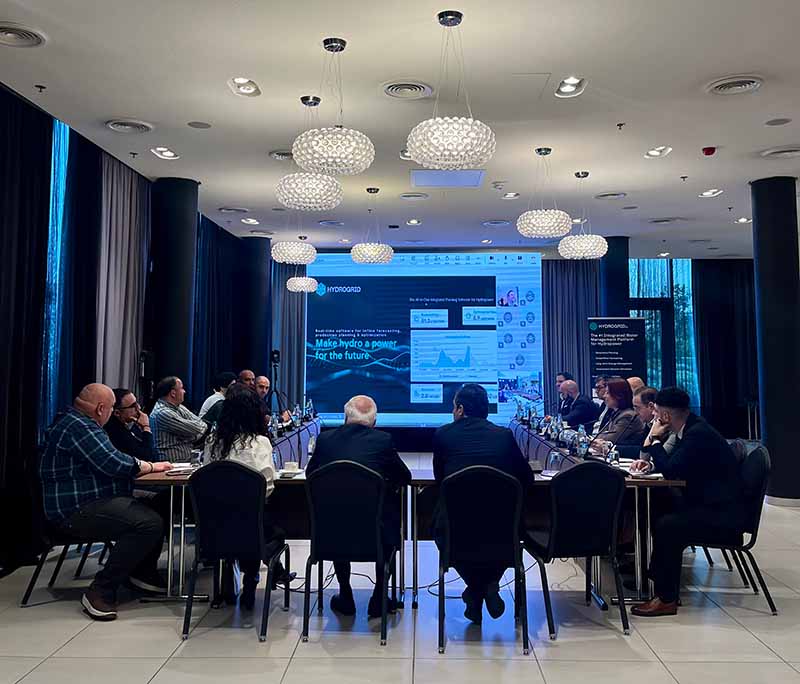
This blog was written and shared by HYDROGRID.
Georgia is emerging as a hub for sustainable energy innovation in the Caucasus region, but the hydropower industry stands at a crossroads of opportunity and challenge. As the country transitions toward a modern electricity market while maintaining high environmental standards, operators face mounting pressure to modernise and maximise efficiency.
The International Hydropower Association, alongside innovation partners HYDROGRID and Dariali Energy are committed to supporting this transformation. In early December, the organisations convened Georgia's main hydropower stakeholders for a one-day workshop in Tbilisi.
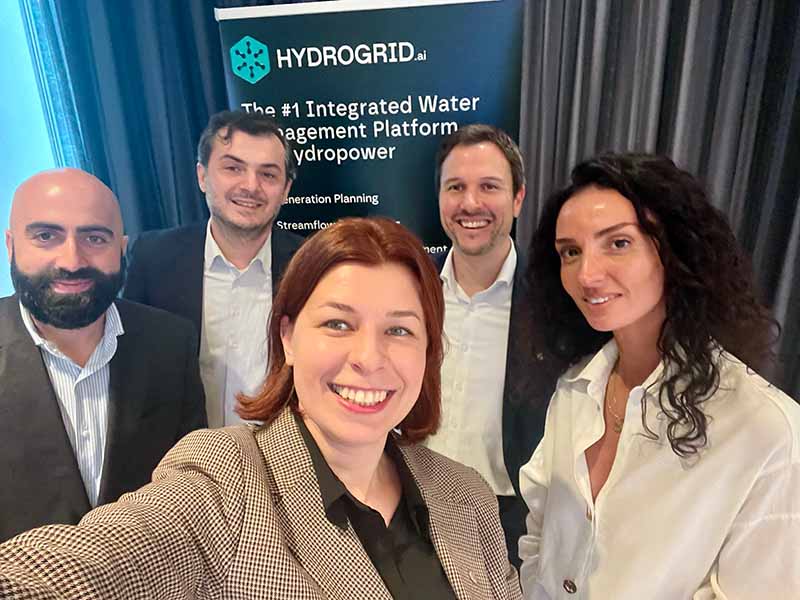
The session also featured expert insights from Matteo Bianciotto, IHA’s Head of Research and Policy, opened the workshop by setting the scene with key global statistics on the development of conventional hydropower and pumped storage, to put things into the perspective. Operators and technology experts discussed practical applications of digital solutions, examined live demonstrations of optimization tools, heard first-hand experiences from operators like Dariali Energy JSC, and explored case studies from successful implementations across Europe and the Americas.
From Alpine Challenges to Digital Solutions
Georgia's hydropower assets are remarkable, but they operate in some of Europe's most demanding environments. Alpine valleys, rapid hydrological changes, and complex sediment dynamics create operational challenges that require immediate, precision planning and constant innovation.
At the same time, these plants are critical to Georgia's clean energy future and economic growth in the Caucasus region. Companies like Dariali Energy - one of Georgia's largest independent power producers - are leading the way in combining operational excellence with environmental responsibility. Dariali hydropower plant, a 108 MW facility operating at 2,400 meters elevation on the Tergi River, exemplifies this commitment. Built to carbon-neutral standards and recognized for its environmental stewardship, it represents the calibre of sustainable energy infrastructure that Georgia is building.
Supporting Sector Innovation
To meet the demands of a more competitive market while sustaining these high standards, operators like Dariali are turning to digital optimisation.
With HYDROGRID Insight's suite of tools ranging from inflow forecasting to long term maintenance and generation planning Dariali Energy can maximises water efficiency, schedules critical maintenance during low-value production windows, and boosts overall uptime. Tools like HYDROGRD are becoming essential for operators preparing to compete in Georgia's emerging spot electricity market, where electricity is bought and sold at fluctuating prices based on immediate supply and demand
"This is exactly the kind of innovation the sector needs," says Giorgi Kavtaradze, CEO of Dariali Energy. "As we prepare for market changes, precise inflow forecasting and efficient maintenance planning will be critical to our success."
Why Digitalise a High‑Mountain Run‑of‑River Plant?
- Make every cubic meter count in steep terrain: HYDROGRID’s inflow intelligence supports day‑to‑day production planning in a valley system marked by rapid hydrological changes.
- Plan maintenance around sediment stress: With frequent equipment interventions due to severe sedimentation, the Maintenance Planning module helps align outages with natural low‑value windows to maximise uptime.
- Simplify operations under a flat‑tariff PPA: For run‑of‑river assets with lower commercial complexity, automated planning brings consistency and transparency across seasons.
Building the Sector Forward
Georgia's hydropower players are solving real problems with modern, digital solutions. The workshop in December was one step toward connecting those innovations across the market, creating space for knowledge-sharing and collaboration. Whether it's optimising operations in alpine terrain or preparing for market transition, the sector is moving forward, and further partnerships like this one will help ensure no operator faces these challenges alone.
.png)