


Voices of Hydropower: Aida Mabjaia
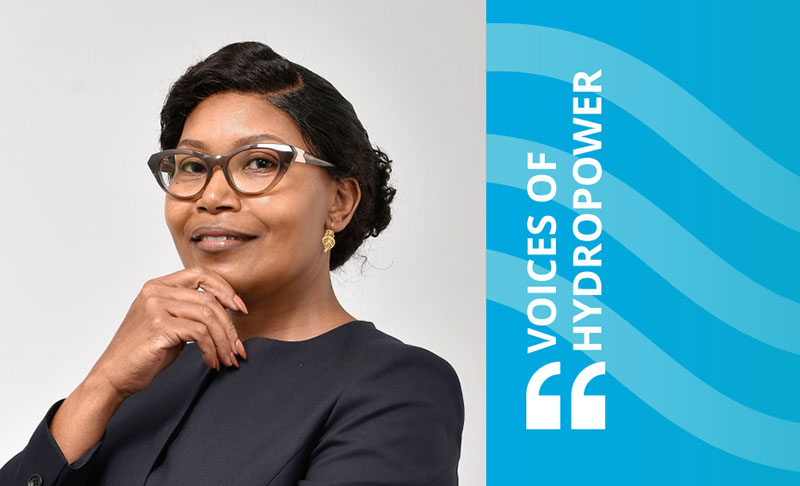
Voices of Hydro introduces the people behind the power. In this series, industry leaders share how they’re driving the sector forward by tackling challenges, championing innovations and sharing moments that made them proud. These are the people who keep our lights on and our energy future, secure.
Please introduce yourself and tell us about your role.
My name is Aida Mabjaia, and I am Executive Director at Hidroeléctrica de Cahora Bassa (HCB), where I am responsible for Engineering and Projects, as well as General Services. My role involves overseeing a broad portfolio of engineering, infrastructure, modernisation and strategic development initiatives that are essential to the long-term performance and sustainability of the Cahora Bassa hydropower system. At HCB, we are focused not only on maintaining and optimising one of Africa’s major hydropower assets, but also on preparing it for the future, through the modernisation of existing infrastructure, the development of new generation capacity, and the integration of sustainability principles into our operations and investment decisions.
What challenge in the hydropower sector is your organisation working to address?
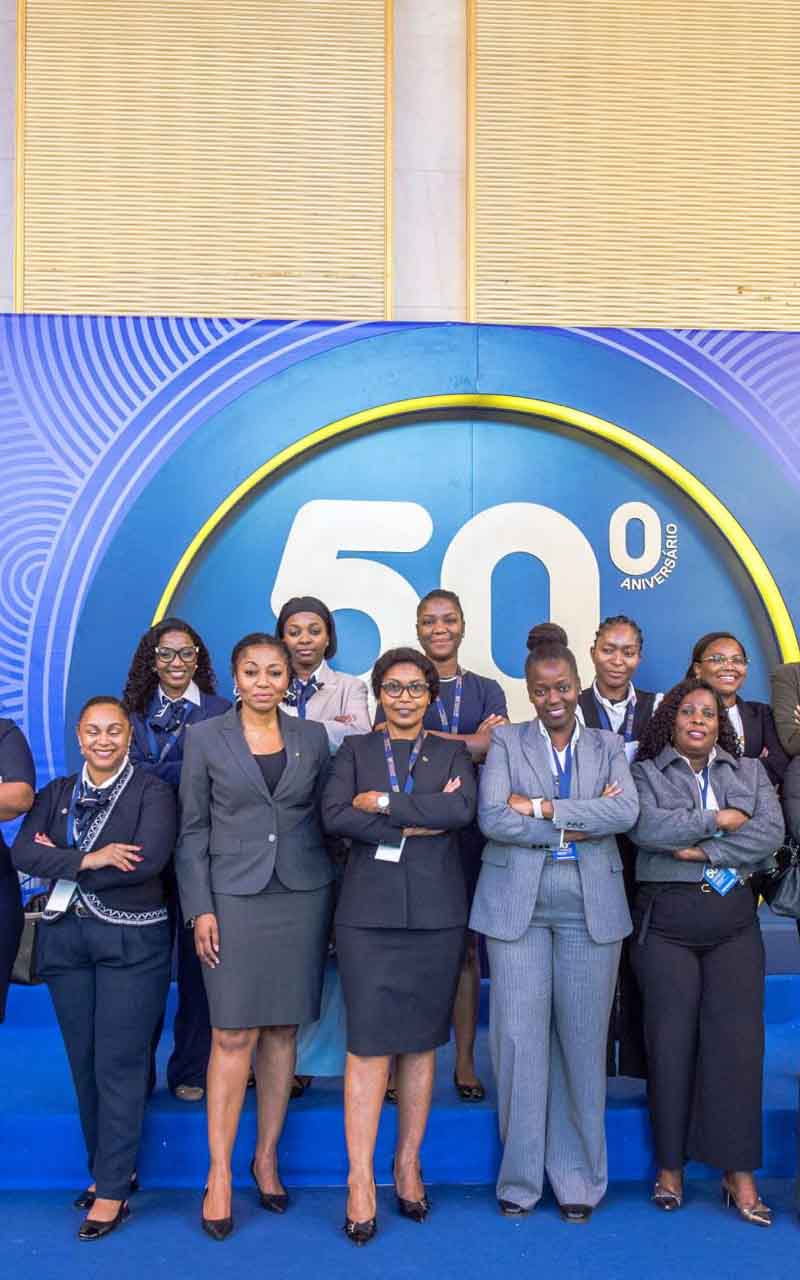
The human capital is paramount pillar of the sustainability given the long-life pattern of the hydropower assets. HCB strive to ensure the appropriate management of the human resources in line with the lifestyle and technology changes. In line with HCB’s Strategic Plan, the company is also committed to promoting gender equality and equal opportunities, while fostering innovation and accelerating digitalisation as key drivers of organisational transformation, operational efficiency, and long-term sustainability. HCB further recognises that knowledge sharing and continuous learning are essential to sustaining excellence over generations. In this context, promotes initiatives such as the HCB Scientific Conferences, providing a platform for the sharing of knowledge, research, technical expertise, innovative ideas, and experiences among employees and other relevant stakeholders. By investing in its people, promoting gender equality, embracing innovation and digital transformation, and strengthening a culture of knowledge sharing, HCB is building the capabilities required to ensure the sustainable management and long-term performance of its hydropower assets.
The other challenge we are addressing is how to maximise the value and longevity of existing hydropower infrastructure while responding to growing demand for reliable, affordable and sustainable electricity. Cahora Bassa has been operating for more than 50 years, and maintaining the performance, reliability and safety of such a strategic asset requires continuous investment and technological renewal. We are therefore implementing major modernisation projects for the power plant and converter substation, aimed at extending the useful life of equipment, improving operational performance and ensuring the long-term reliability and sustainability of the system.
We are also addressing issues such as changes in patterns of rainfall, droughts, and lower amount of water availability which affect generation. To address unpredictable water availability caused by climate change, we are strengthening climate resilience through climate risk assessment and adaptation measures to understand how climate change may affect water availability and hydropower operation. We are also investing in better reservoir management systems to improve the ability to respond to changing rainfall and water levels and flows.
At the same time, we recognise that Africa’s energy needs are growing rapidly. This means that the hydropower sector must combine the optimisation of existing assets with the development of new generation capacity and complementary renewable technologies.
For HCB, this means looking beyond the next few years and planning for a more resilient, diversified and sustainable energy future.
What key technology or innovation is your organisation focused on?
Our focus is on the modernisation and digital transformation of our hydropower infrastructure, combined with the development of new renewable generation capacity. For an asset such as Cahora Bassa, modernisation is not simply about replacing ageing equipment. It is about incorporating more advanced technologies, improving monitoring and control systems, enhancing operational efficiency, and using data and digital tools to support better decision-making and asset management.
We are also expanding our generation portfolio beyond conventional hydropower. Two important projects are the development of the Cahora Bassa North Bank project (1,245 MW) of additional generation capacity, and a 400 MW photovoltaic power plant. These projects are part of HCB’s broader vision to significantly expand its generation capacity and reach approximately 4,000 MW by 2034. This represents an important step in our strategy to diversify and expand our renewable energy portfolio while strengthening HCB’s contribution to Mozambique’s energy security and to the wider Southern African region.
Is there a recent milestone or achievement from your organisation that you would like to highlight?
Over the past two years, HCB has strengthened its financial and operational performance while improving water management and advancing the rehabilitation of ageing assets and extending their operational life. A particularly important recent milestone is HCB’s achievement of Hydropower Sustainability Silver Certification.
For us, this is much more than a certification. It is recognition of our commitment to applying internationally recognised sustainability principles across the hydropower value chain and to continuously improving our environmental, social, governance and operational practices. It also provides an important framework for strengthening stakeholder engagement, responsible asset management and sustainable decision-making as we move forward with major investments in modernisation and expansion.
The certification comes at an important moment for HCB, as we are simultaneously modernising infrastructure that has been in operation for more than five decades and preparing the next generation of generation capacity. Also, last year, our organization achieved 50 years of continuous operation since the reservoir, dam, generation and transmission infrastructure’s commissioning and delivery of the clean power.
What are you most proud of at the moment?
I am proud of the ability of HCB to combine the strength of its heritage with a clear vision for the future.
Cahora Bassa is an asset of enormous strategic importance to Mozambique and the region, with more than five decades of operational history. Being part of the team that is ensuring that this infrastructure continues to deliver value for many more decades is both a responsibility and a privilege. I am proud of our teams and of the technical expertise, resilience, and commitment to excellence that they demonstrate every day. I am equally proud of HCB’s proactive approach to sustainability, reflected in our internationally recognised management system certifications: ISO 9001, ISO 14001, and ISO 45001 and, most recently, in our achievement of the Hydropower Sustainability Certification.
Most importantly, I am proud that HCB is not only preserving an important legacy, but actively investing in its future. We are modernising our existing infrastructure to extend its useful life, enhance its performance and reliability, while at the same time expanding our generation capacity and diversifying our renewable energy portfolio.

.png)
