30 years of advancing sustainable hydropower, together | #IHA30 | READ MORE


Hydropower operators increasingly face challenging sediment regimes driven by climate‑induced hydrological shifts. Short, high‑energy sediment pulses—common in steep alpine catchments—can cause disproportionate turbine wear in only minutes. Conventional turbidity‑based monitoring often falls short: sensors are very sensitive to less critical fine sediments, require frequent calibration, can be obstructed by debris or biofilm, and typically underestimate coarse sediment fractions that inflict most of the damage.
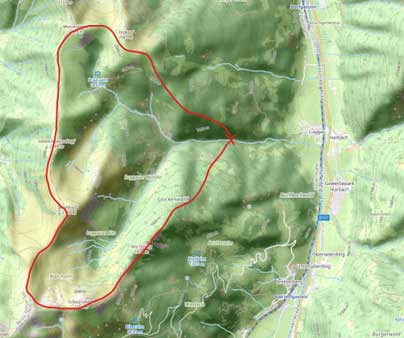
The Luggauerbach case study demonstrates how structure‑borne sound sensing combined with AI‑driven signal processing overcomes these limits and delivers a direct, turbine‑proximal measurement of erosive stress.
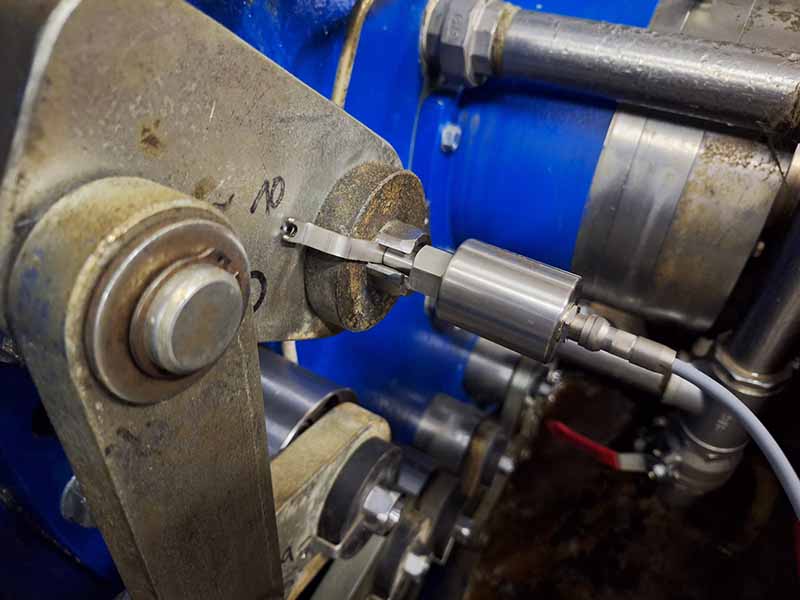
Ultrasonic structure‑borne sound sensors detect micro‑vibrations generated when sediment particles impact turbine surfaces. At frequencies above 20 kHz, normal hydraulic noise becomes less dominant, a fact long exploited in oil and gas “acoustic sand detection” systems – an established technology originating as early as 1975 patents. Applying this proven concept to hydropower enables selective, high‑resolution erosion monitoring. Global Hydro developed Hydrox SediSense based on this idea.
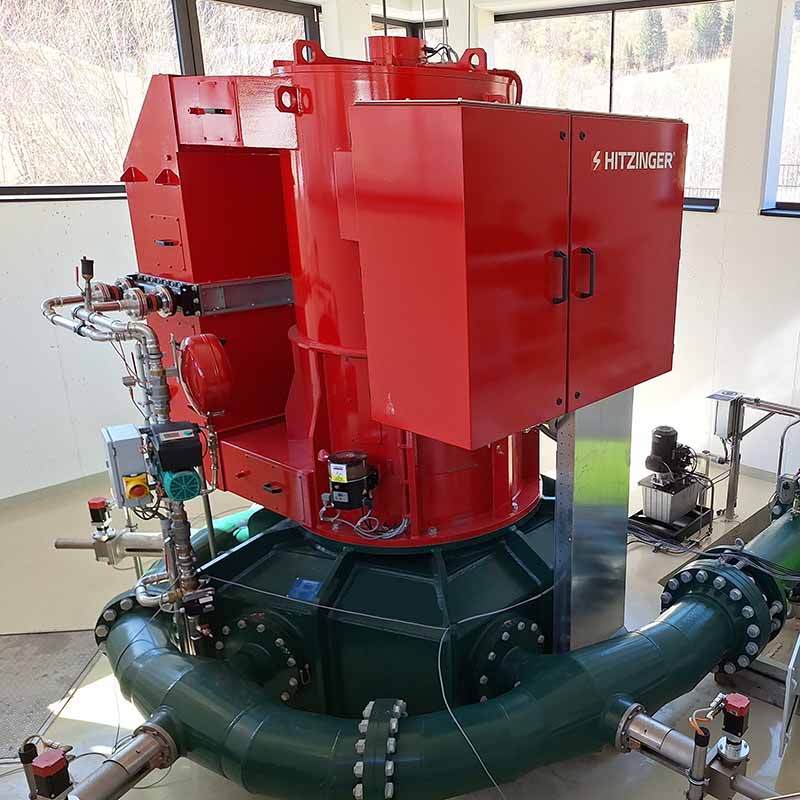
The Luggauerbach hydropower plant is a small alpine plant featuring a vertical Pelton turbine (four nozzles, approx. 1.1 MW, approx. 4 GWh per year. Due to steep terrain and rapid weather‑driven runoff dynamics, the plant routinely experiences short‑duration but high‑concentration sediment events. These episodes dominate long‑term wear, making the site ideal for piloting direct wear‑potential monitoring.
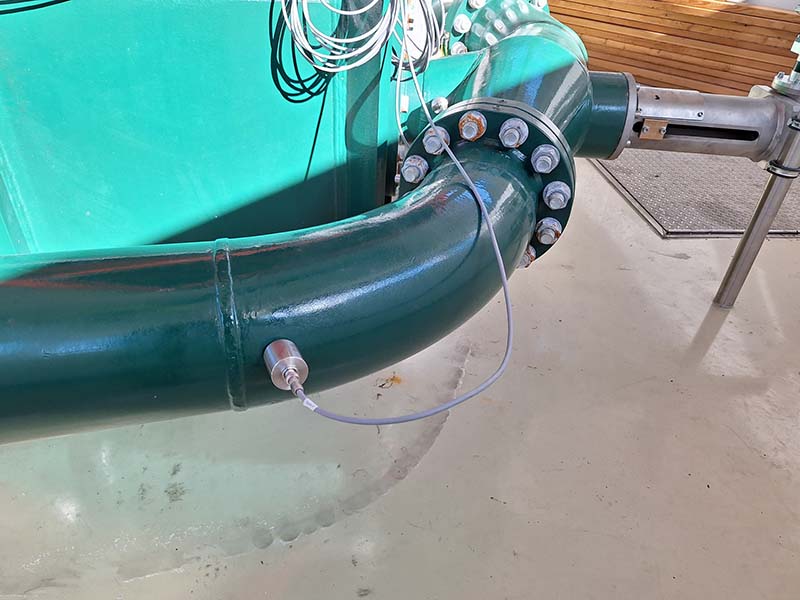
In April 2025, an ultrasonic sensor was installed at a pipe bend feeding nozzle no. 4–chosen because this nozzle never fully closes during operation, ensuring continuous reference data. Installation required no major downtime and demonstrated the retrofit‑friendly nature of the technology.
A site‑specific AI model learns the turbine’s baseline acoustic signature under sediment‑free conditions. Subtracting this from the measured signal yields a “residual acoustic level,” strongly correlated with sediment impact energy. Combining this with unit flow produces a runner wear indicator – a real‑time proxy for erosive load.
The proposed control strategy – derived from IEC 62364 recommendations – was evaluated analytically based on measurement data. It has not yet been implemented at the plant but is currently being considered for operational adoption.
Upper threshold → temporary derating to 25% Pmax, nozzle no. 4 stays fully open while others close.
No‑shutdown approach → preventing sediment deposition at the main inlet valve and ensuring uninterrupted sensor measurements.
Return to normal operation → once the wear indicator drops below the calculated lower threshold.
Based on a 10‑month analytical evaluation using the measured acoustic residual data, the modelled strategy shows a potential ~30% reduction in runner wear with <2% estimated energy penalty. These results are theoretical projections and serve as a basis for deciding whether to implement this strategy in real‑world operation.
Meet the experts behind this innovation at the World Hydropower Congress, from 7-24 September 2021. Register for free today and connect with hundreds of specialists and professionals online.